About the Series
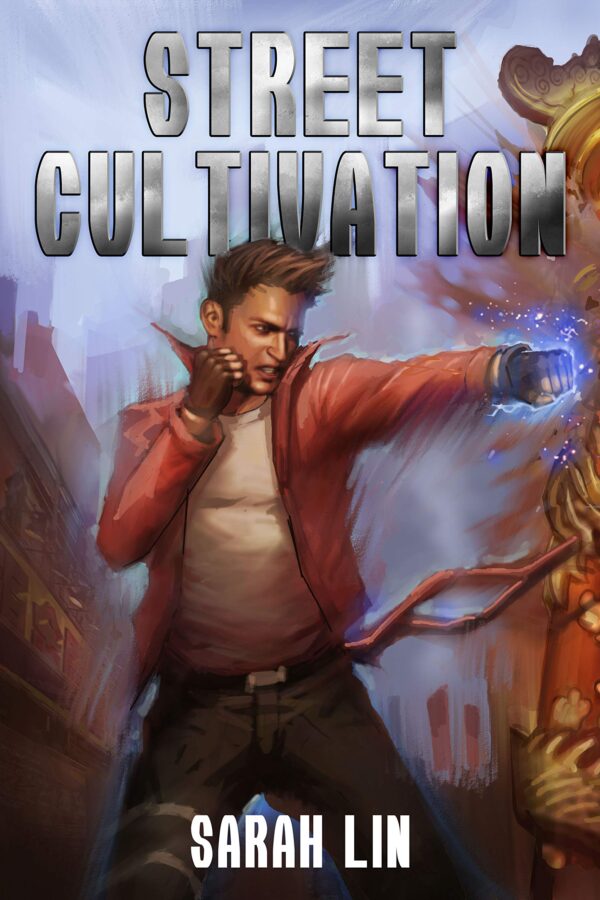
Rick Hunter lives in a world where cultivation is real but commercialized. Spiritual materials cost money. Training facilities charge membership fees. Advancement past the early stages requires resources most working-class people can’t afford. Rick trains martial arts and tries to advance while working low-wage jobs and dealing with debt. The economic barriers to cultivation are the primary antagonist.
The premise’s innovation is treating cultivation materials as commodities, bought and sold on a market. This creates a progression fantasy where “how do you afford to get stronger?” is the central question, ahead of “how do you survive the next fight?” Rick’s struggle is recognizably working-class: he budgets for cultivation supplements the way a real person budgets for groceries. The martial arts progression is satisfying, but the economic layer gives it a grounded quality most cultivation fiction lacks.
This works for readers who want something short (trilogy), complete, and conceptually fresh within the cultivation space. Sarah Lin is a strong prose stylist by genre standards, and the modern setting creates interesting friction with traditional cultivation tropes. The tradeoff: three books means the scope is necessarily limited. Rick doesn’t ascend to godhood. The ending resolves his personal arc, and the world remains unchanged. Readers who want the full “zero to omnipotent” journey won’t get it here. The economic aspect may also frustrate readers who use progression fantasy as an escape from economic anxiety, since this series puts that anxiety at the center.
Reading Order
- Street Cultivation (2019)
- Street Cultivation 2 (2020)
- Street Cultivation 3 (2020)
Related works by Sarah Lin:
- The Brightest Shadow. Different series, epic fantasy with progression elements
- The Weirkey Chronicles. Long-running progression fantasy series that begins with Soulhome
If You Like This Series
- A Thousand Li by Tao Wong. Traditional cultivation with philosophical depth; much longer, completed
- Cradle by Will Wight. Cultivation at higher speed and scale; completed
- Forge of Destiny by Yrsillar. Cultivation with social dynamics and personal philosophy; ongoing
- Beware of Chicken by Casualfarmer. Another cultivation subversion, this one rejecting the power race entirely
- Art of the Adept by Michael G. Manning. Short, complete progression from student to master; different system but similar “focused trilogy” appeal